
Before You Spend Millions on a New ERP, Get an Independent Answer
Companies often begin evaluating ERP software before determining what is actually causing their operational problems. An independent assessment can identify what needs to change, establish the business requirements and determine what role technology should play before millions of dollars are committed.
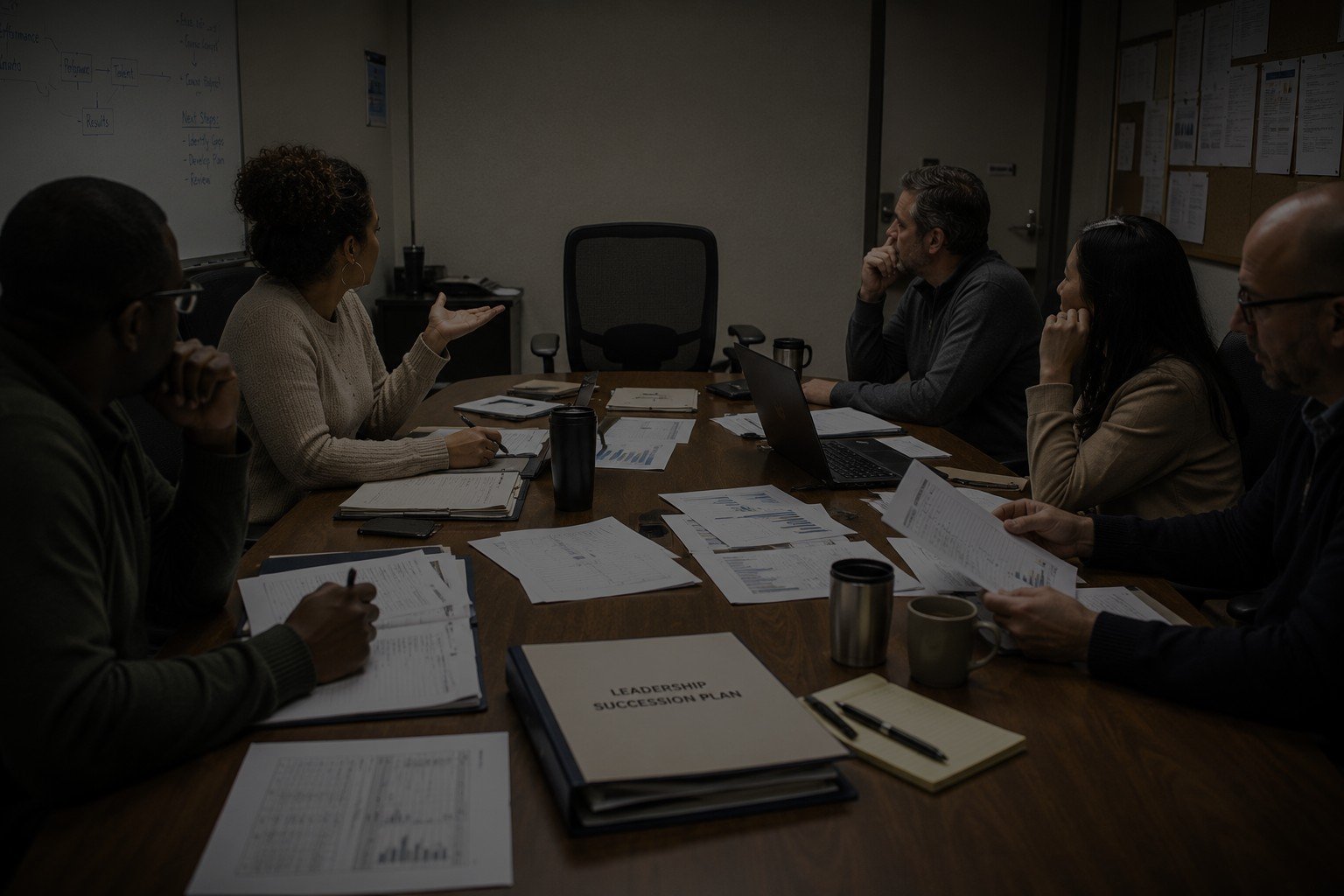
Why Most Succession Plans Are Fiction
Most organizations don't discover the strength of their succession plan during a talent review. They discover it when a key leader leaves. Too often, what looked like preparation turns out to be little more than a list of people leadership hopes are ready.
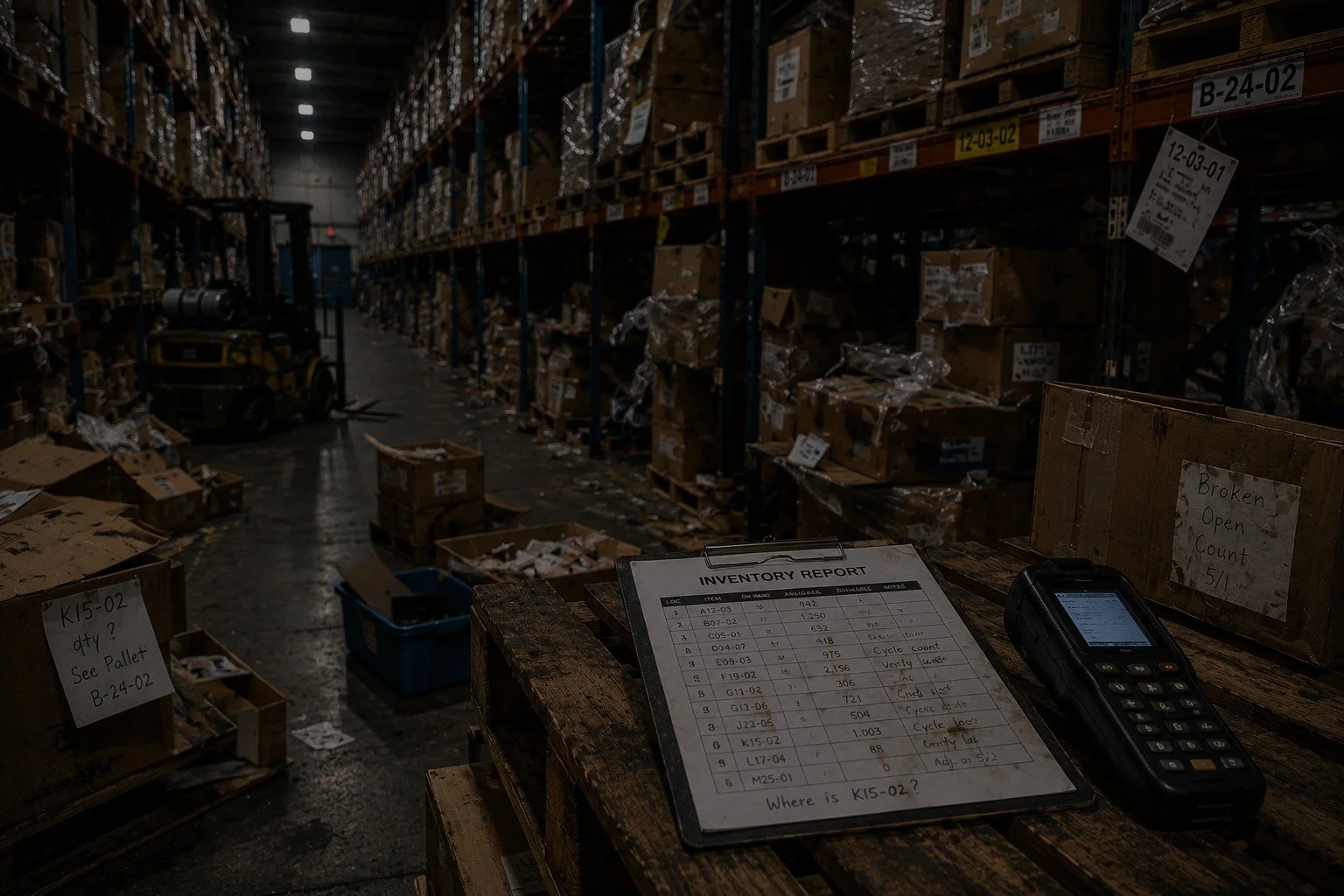
The Most Expensive Inventory Is The Inventory You Don't Know You Have
Many companies carry millions of dollars in inventory while still experiencing stockouts, expedites, and service failures. The problem is often not the amount of inventory they own, but how much of it they can actually trust.
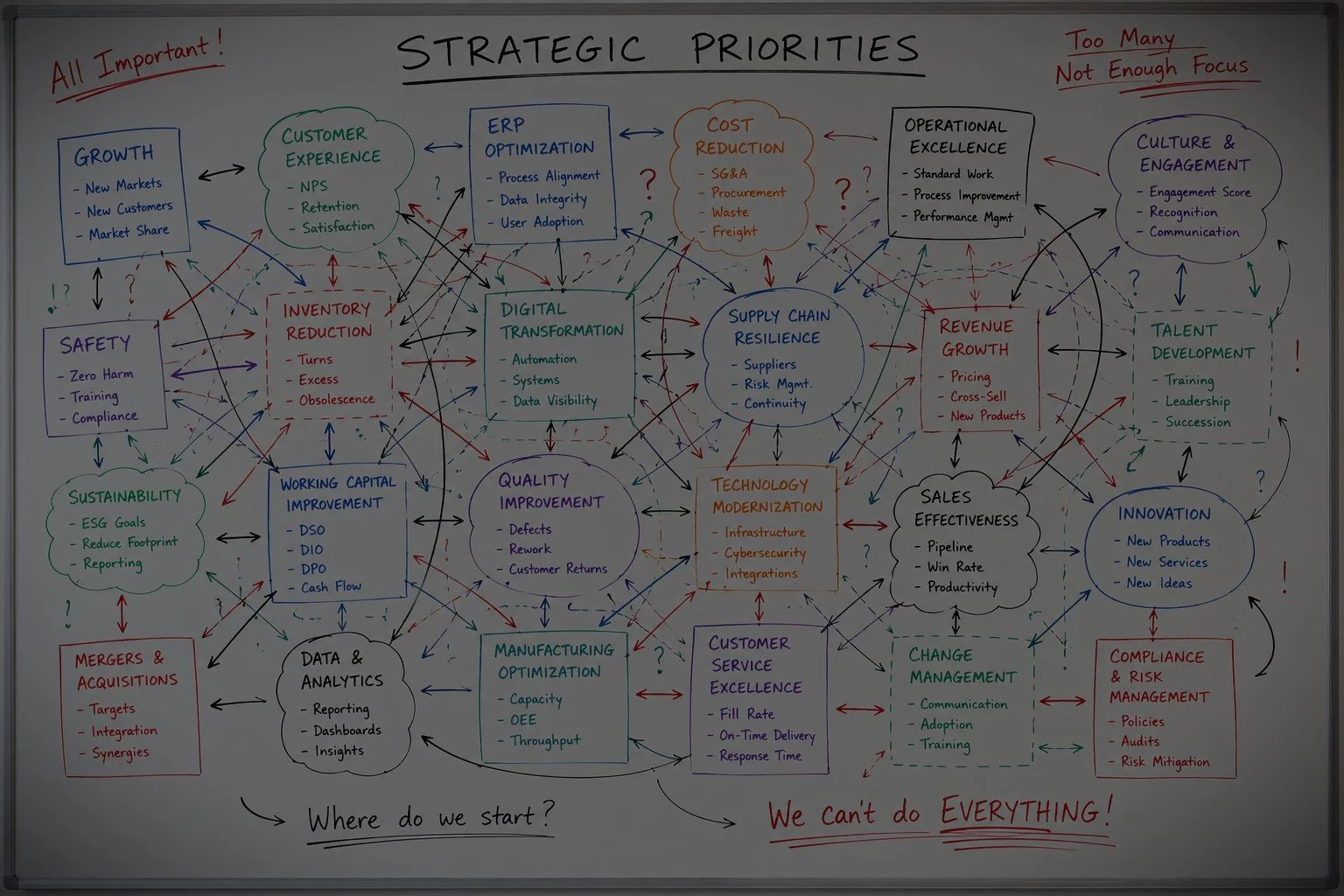
If Everything Is A Priority, Nothing Is
Most organizations don't suffer from a lack of priorities. They suffer from too many. When everything becomes important, people stop knowing what matters most and execution begins to suffer.
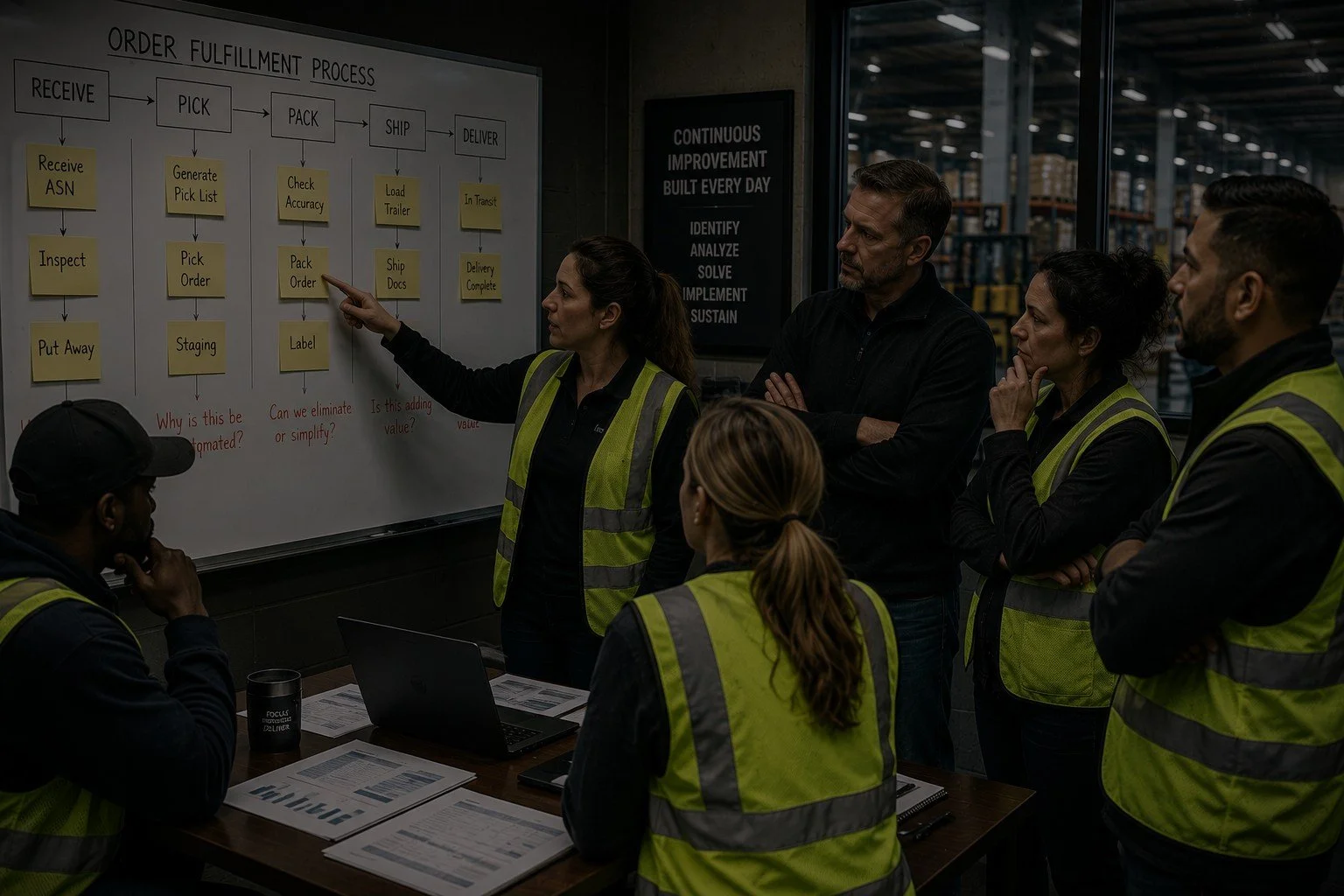
Why Most Continuous Improvement Programs Never Become Culture
Many companies promote continuous improvement, Lean, and Six Sigma. Few create the leadership behaviors and culture necessary to make improvement part of daily operations.
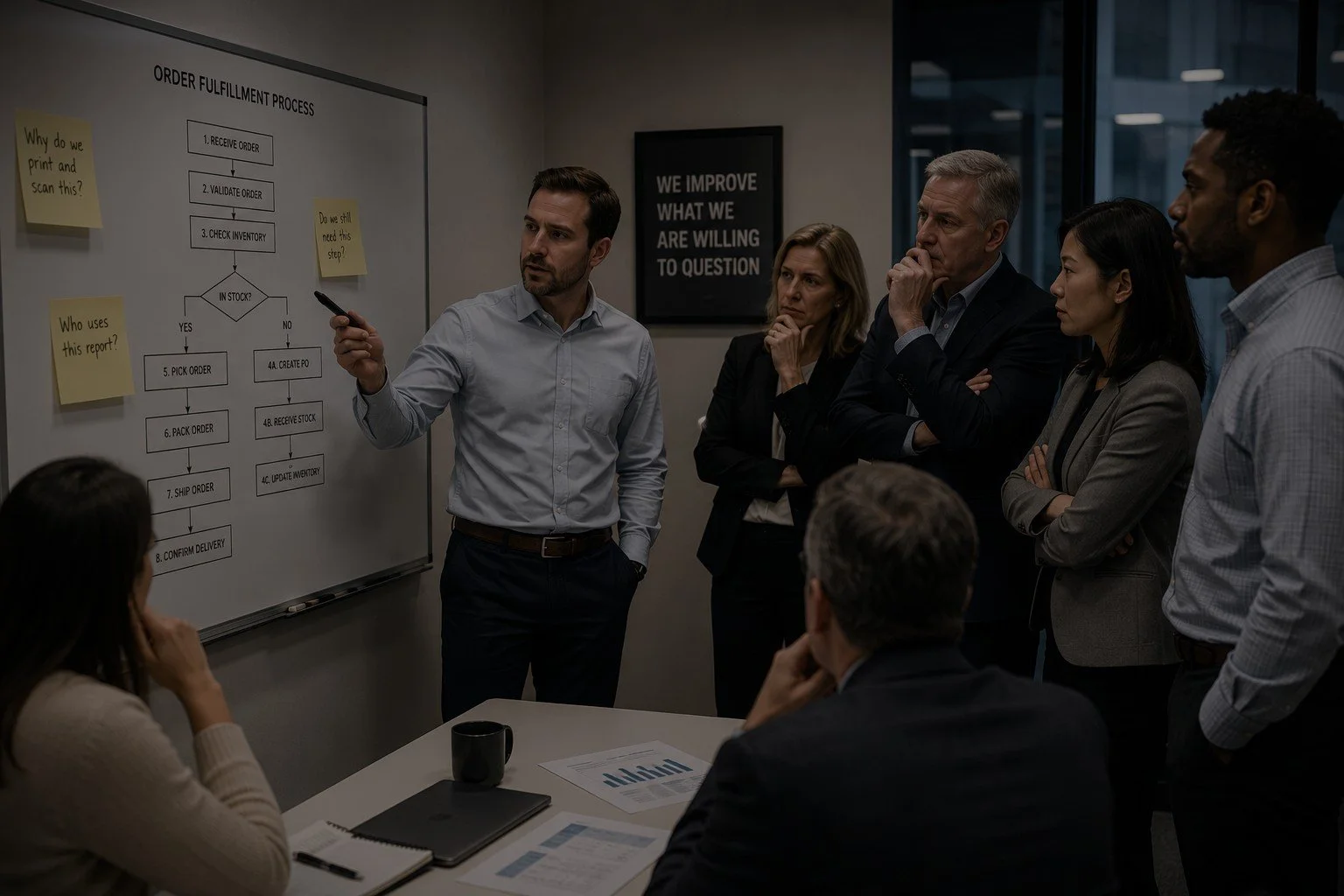
The Seven Most Dangerous Words In Any Operation: "That's The Way We've Always Done It"
The phrase "That's the way we've always done it" sounds harmless, but it often signals that an organization has stopped questioning assumptions, challenging processes, and improving performance.

Why High Performers Leave Long Before They Resign
Most organizations notice turnover when a top performer resigns. Strong leaders notice it when that employee stops raising their hand months earlier.

The Hidden Cost of Delayed Decisions
"Every day this decision waits, the operation behind him continues paying the price."
Most executives worry about making the wrong decision. Far fewer recognize how much money is lost while no decision is being made.

Why Most Cost Reduction Programs Fail Within Six Months?
Most companies cut costs. The best companies eliminate the reasons those costs exist.
Most cost reduction programs focus on expenses rather than the operational conditions creating those expenses. That is why many savings disappear within six months.

Why Most S&OP Meetings Produce Activity Instead of Decisions
Most organizations believe they have an S&OP process. Many actually have a monthly reporting meeting. The difference is whether leaders leave with information or decisions.

Why Most Inventory Problems Are Leadership Problems
Most inventory accuracy problems are blamed on systems, employees, or counting procedures. In reality, leadership behaviors, accountability, and process discipline are usually the root cause.

The Most Expensive Seat In Your Operation
Companies often leave critical leadership positions open to save money. In reality, the operational costs created by a leadership vacancy frequently exceed the salary they are trying to avoid.

Why 3PL Transitions Fail After the Contract Is Signed
Most organizations spend months selecting a 3PL and very little time preparing for what happens after the transition begins. The contract matters, but execution determines whether the transition succeeds or fails.

Your ERP Isn't Broken. Your Processes Are
Many ERP recovery efforts focus on software. The real problem is often inconsistent processes, weak execution, and poor operational discipline. Learn where recovery actually starts.

Why Most ERP Implementations Fail Long Before Go Live
Before blaming the ERP, take a hard look at the operation. Most struggling ERP implementations are exposing process problems that already existed.